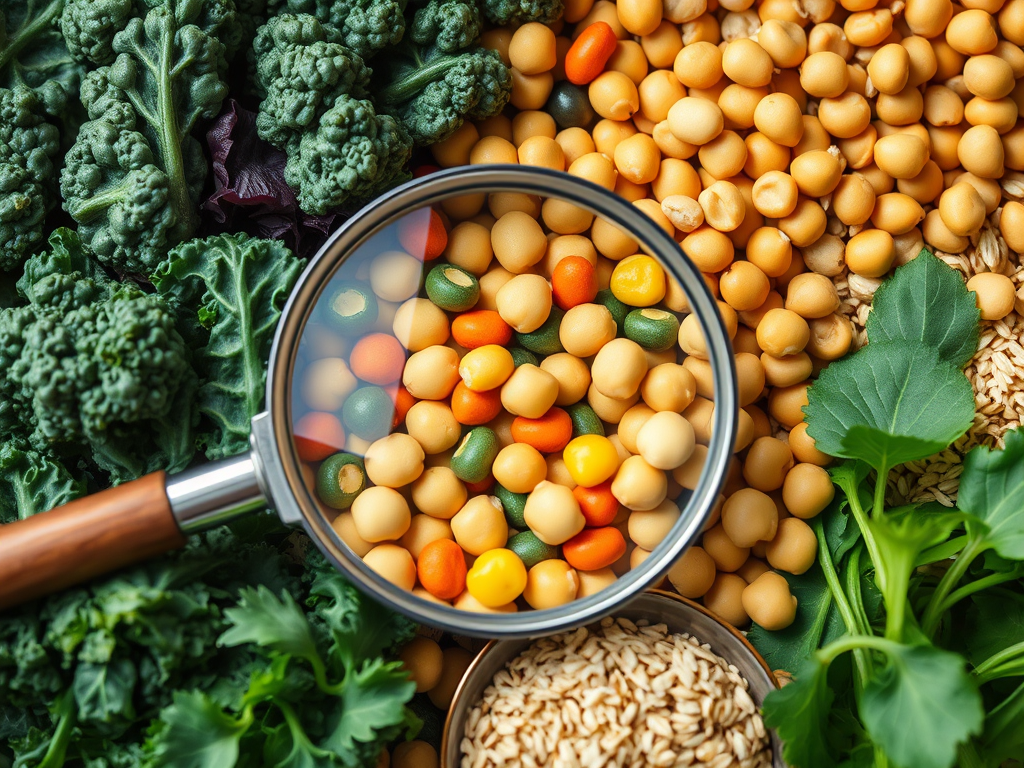
What are Anti-Nutrients[1]?
“Anti-nutrients.” Sounds intimidating, right? Almost like they cancel out all the good stuff in our food. But before we start blaming our salads and grains, let’s unpack what anti-nutrients really are. Are they truly the villains of nutrition, or is there more to the story?
To begin with, the term itself is misleading—it makes these compounds sound far more harmful than they really are. In reality, anti-nutrients are simply natural substances found in many plant-based foods. They serve an important purpose for the plant, helping protect it against bacteria and insects.
When we eat them, some of these compounds can slightly reduce the absorption of certain vitamins and minerals. But that doesn’t mean plant-based eaters are at risk. Overall, the benefits of these foods far outweigh the drawbacks, offering a wealth of nutrients and protective health effects.
In fact, research shows that several so-called anti-nutrients actually come with benefits—some act as antioxidants, some have antiviral properties, and others may even help suppress tumor growth. Therefore, instead of thinking of them as “nutrient enemies,” it’s better to view them as compounds that need a little balance and mindfulness.
Common Types of Anti-Nutrients:
Lectins
Lectins are naturally found in legumes and nightshade vegetables like tomatoes, peppers, eggplant, and white potatoes. They can interfere with the absorption of minerals such as calcium, iron, phosphorus, and zinc. Cooking legumes thoroughly, especially boiling[2], eliminates lectins—eating them raw can be a bit harmful with a few exceptions. Interestingly, lectins in peanuts remain confined to the digestive tract, and some lectins have been shown to possess anti-cancer properties[3][4].
Phytates (Phytic Acid)
It’s commonly found in nuts, seeds, and whole grains. It can also decrease the absorption of nutrients like calcium, magnesium, zinc and iron. If you cook, soak or sprout, most of the phytates are gone. There are also health benefits of phytic acid – they’ve antioxidants, prevent DNA damage, and stop cancer cell growth[5]. They bind to calcium and, in effect, reduce kidney stone occurrence.[6]
Oxalate
Oxalates are naturally present in raw cruciferous vegetables such as kale and broccoli and are also found in foods like spinach, soybeans, black pepper, and even chocolate.
If you’ve ever experienced kidney stones, you understand their seriousness. And while not everyone needs to worry, people who are more prone to kidney stones (calcium oxalate in particular) are often told to watch out for high-oxalate foods (Spinach, Swiss Chard and Beet Greens) to play it safe.
Spinach may be a superfood, but yes—it does contain oxalates. Does that mean you should cut it out completely? Not at all. Spinach is packed with valuable nutrients, and it wouldn’t be fair to demonize a single compound, even for those prone to kidney stones. A simple solution is to boil it, which reduces oxalates, and continue enjoying it as part of a healthy diet.

A few simple hacks can go a long way:
- Cook it off. Oxalates dissolve in water, so boiling, steaming or blanching veggies (and tossing the water) helps lower their levels. Steaming can lower oxalates up to 53%, while boiling can cut them up to 87%.[7]
- Swap it out. Love almond milk? Try oat milk instead—less oxalate, still delicious.
- Drink up. Staying well hydrated keeps things moving and makes stones less likely to form.
- Easy on vitamin C. Too much vitamin C turns into oxalate in your body, so skip the supplements if you’re at risk.
- Love your greens? Great—just keep them diverse! If you eat plenty of greens each day (which you should), make sure to mix up the types to avoid getting too many oxalates.
Small tweaks like these can make a big difference—and your kidneys will thank you for it.
Tannins
Tannins are best known for their presence in red wine, but they’re also found in tea, coffee, unripe fruits, legumes, and chocolate. One of their effects is reducing iron absorption, but you can manage this with a few simple tricks. For example, avoid drinking tea or coffee with meals, choose light or medium roast coffee instead of dark, and note that black tea contains more tannins than green tea, while herbal teas are tannin-free.
Takeaways:
Anti-nutrients aren’t a reason to fear plants—they’re just part of the bigger nutritional picture. These natural compounds in plant foods can slightly reduce mineral absorption, but they also bring big benefits like antioxidants and cancer-fighting properties. The trick is simple: cook, soak, or steam your veggies to tame lectins, phytates, and oxalates, and stay hydrated to keep things moving. With a balanced, varied diet, anti-nutrients aren’t enemies; they’re just another reason to enjoy plants in all their nutritious glory.

Leave a Reply